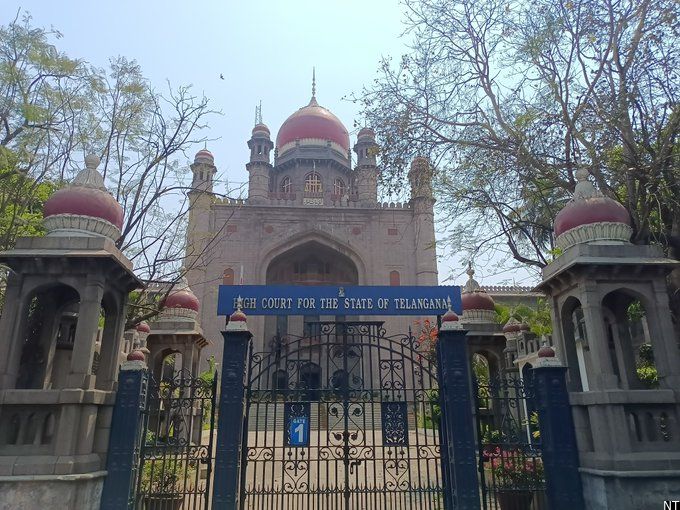
Telangana High Court Seeks SOP to Address Delays in Revenue Department Services
The Telangana High Court has directed the state's Revenue Department to develop a Standard Operating Procedure (SOP) aimed at ensuring the timely disposal of citizen applications, expressing concern over the increasing number of cases reaching the judiciary because of delays in routine revenue administration.
Hearing a petition on Tuesday, July 7, Justice NV Shravan Kumar observed that several matters that should ordinarily be resolved through administrative processes are instead being brought before the High Court due to prolonged inaction by revenue officials. The court instructed the Principal Secretary of the Revenue Department to prepare the SOP and submit a compliance report within four weeks.
The court's observations highlight a broader concern over administrative efficiency, particularly in matters affecting land and property records, where delays can significantly impact citizens seeking routine government services.
Court flags routine revenue matters reaching judiciary
During the hearing, the High Court noted that applications related to F-Line proceedings, mutation requests, correction of revenue records, and restoration of missing survey numbers should normally be processed by the department without requiring judicial intervention.
Justice Shravan Kumar observed that these services fall within the responsibilities of the Revenue Department and should be delivered within a reasonable timeframe. The court stressed that citizens should not be compelled to seek court orders simply to obtain services that government authorities are legally obligated to provide.
The direction reflects the court's concern over the growing number of petitions arising from administrative delays, placing an unnecessary burden on both litigants and the judicial system.
https://x.com/TeluguScribe/status/2074711367953891413?s=20
Petition arose from delayed mutation application
The directions were issued while hearing a petition filed by Hanmandlu, a resident of Bodhan mandal in Nizamabad district.
According to submissions made before the court, the petitioner had applied for mutation of revenue records in October last year. His counsel argued that despite more than eight months having passed, the concerned authorities had failed to take a decision on the application and requested the court to direct the department to dispose of the matter.
In response, the government pleader informed the court that the delay was attributable to a large number of similar applications pending before the Revenue Department.
Citizens expect timely government services, court says
While considering the matter, the High Court observed that people living across India as well as those residing abroad expect government departments to process their applications within a reasonable period.
The court remarked that the growing trend of citizens approaching the judiciary for routine administrative services indicates shortcomings in the existing system of revenue administration. It emphasized that applicants should not have to rely on litigation as the only means of securing decisions on matters that fall within the department's statutory responsibilities.
The observations underscore the importance of efficient public service delivery, particularly in revenue-related matters that affect ownership records, land transactions and other property-related processes.
Revenue Department asked to submit SOP within four weeks
To address the issue, the High Court directed the Principal Secretary of the Revenue Department to formulate a Standard Operating Procedure outlining a mechanism for the timely disposal of applications handled by the department.
The court ordered that the SOP be submitted within four weeks and scheduled the next hearing in the matter for August 8.
Additionally, the High Court Registry was instructed to forward a copy of the order to the Principal Secretary of the Revenue Department by Wednesday to facilitate compliance with the court's directions.
The forthcoming SOP is expected to establish a structured process for handling applications more efficiently, with the objective of reducing delays and limiting the need for citizens to seek judicial intervention for routine revenue services.