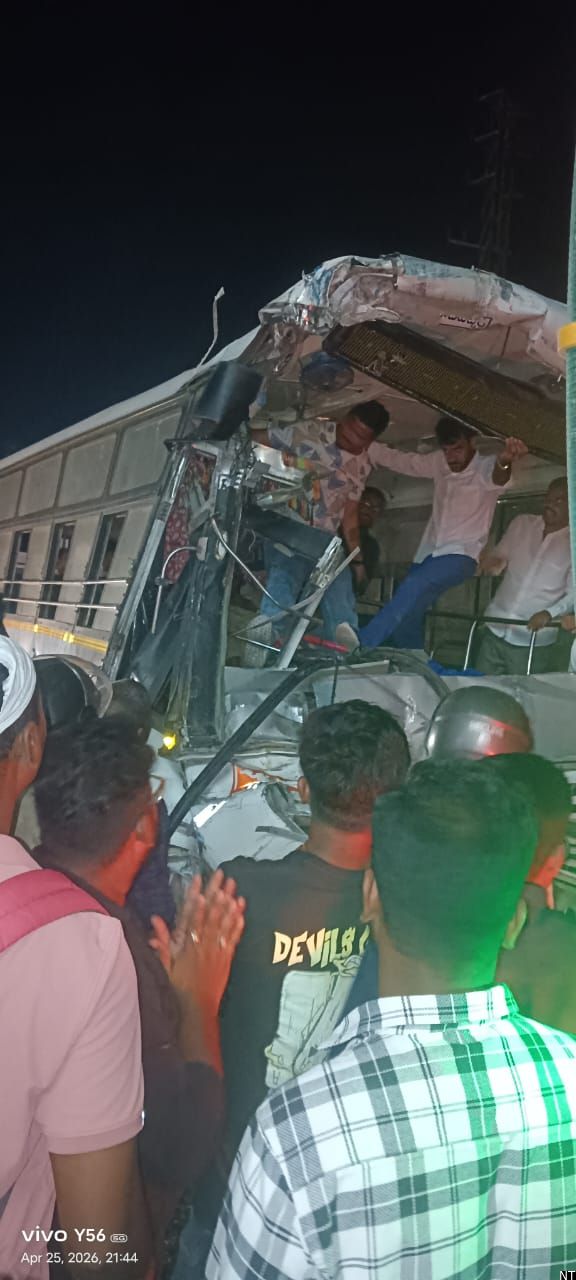
A Tragic Collision Exposes a Deeper Crisis
A horrific road accident near the Bangaru Maisamma temple in Janwada has once again dragged a dangerous reality into the spotlight: the unchecked menace of the 'Tanker Mafia'. The devastating collision between a speeding tanker and an RTC bus, which left the bus driver critically trapped, is not an isolated incident. It is a symptom of a systemic failure where profits are prioritized over human lives, turning public roads into deadly gambles.
For months, local residents have sounded the alarm about the pattern of reckless driving by tanker operators. Their warnings, however, have been met with deafening silence from the authorities. This inaction has emboldened a network of operators who flout traffic laws with impunity, allegedly resorting to intimidation and violence against anyone who questions their dangerous behavior.A System of Negligence: Why Are These Tragedies Happening?
The recent crash begs a critical question: Who is the law for? While regulations for road safety, speed limits, and driver accountability exist on paper, their enforcement on the ground appears to be non-existent. This isn't just about a single driver's mistake; it's about a culture of negligence that permeates the system.
The Cycle of Inaction
After every tragedy, a familiar script unfolds: public expressions of grief are followed by promises of an investigation. Yet, meaningful preventative measures fail to materialize. Without a concerted effort to enforce the law, this cycle of tragedy is doomed to repeat. Key areas of failure include:
- Lack of Speed Enforcement: Tankers frequently exceed speed limits to complete more trips, but monitoring and penalties are rare.
- Inadequate Vehicle Checks: The roadworthiness of these heavy vehicles is often not scrutinized, leading to mechanical failures.
- Weak Driver Accountability: There is little oversight of driver training, working hours, or records, allowing for unqualified or fatigued individuals to operate dangerous machinery.The Time for Accountability is Now
Public fear and anxiety are at an all-time high. When using a public road becomes a life-threatening risk, it signals a profound failure of governance. The community can no longer wait for another accident to spark temporary outrage. The time has come for decisive action.
Authorities must implement a zero-tolerance policy. This includes launching targeted inspections on tanker vehicles, imposing strict and non-negotiable speed limits, and holding both drivers and their employers accountable with severe penalties. True governance is not about reacting to fatalities; it's about proactively preventing them.
The government and police department face a clear choice: either clamp down on this lawlessness with an iron fist or wait for the next inevitable tragedy. Unless decisive action is taken, this horrific bloodshed on our roads will not stop.