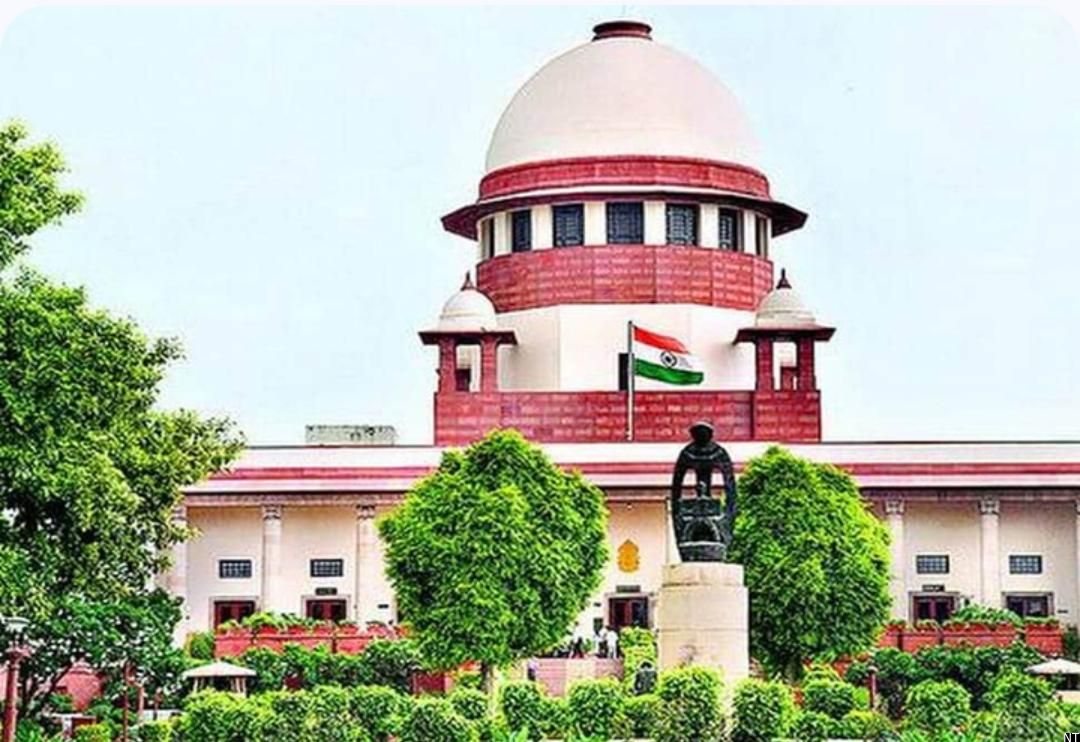
Supreme Court Issues Strong Remarks on Dowry Harassment Cases
The Supreme Court has made significant observations on dowry harassment, stressing that marriage cannot be treated as an economic transaction. In its latest update, the apex court underlined the need for strict action in dowry harassment cases and called for broader social change to eliminate the practice.
The remarks come amid continued concerns over dowry-related disputes and harassment complaints reported across different parts of the country. The court's observations are being viewed as a strong message against practices that undermine the dignity and rights of women and their families.
Supreme Court Highlights Serious Nature of Dowry Harassment
Addressing the issue of dowry harassment, the Supreme Court stated that marriage is a social and personal institution and should not be reduced to a financial arrangement between two families.
The court observed that demanding dowry or placing financial expectations on the bride's family goes against the principles of equality and respect that should form the foundation of a marriage. The incident details discussed before the court reinforced concerns about the continuing impact of dowry-related pressures on families.
Strict Action Needed in Dowry Harassment Cases
The apex court emphasized that authorities must continue taking firm action in cases involving dowry harassment. It noted that legal safeguards exist to protect women from abuse, intimidation, and unlawful demands connected to marriage.
The court's official statement highlighted the importance of the effective implementation of laws intended to prevent dowry-related offences. It also stressed that complaints and cases registered under relevant legal provisions should be handled with seriousness and sensitivity.
Insulting the Bride's Family Is a Criminal Offence
The Supreme Court further observed that humiliating or insulting the bride's family in connection with dowry demands is a criminal act. Such conduct, the court noted, not only causes emotional distress but also contributes to the continuation of harmful social practices.
The observations form part of a broader judicial stance aimed at discouraging discrimination, coercion, and financial pressure associated with marriage arrangements.
Court Calls for Social Change
Apart from legal enforcement, the Supreme Court stressed the need for a shift in social attitudes. The court said lasting change can only be achieved when society collectively rejects the dowry system and promotes relationships based on mutual respect and equality.
The latest update on dowry harassment reflects the judiciary's continued concern over the issue. Through its observations, the Supreme Court has reiterated that marriage is not a financial contract and that strict action, legal accountability, and social reform are necessary to address dowry-related offences effectively.