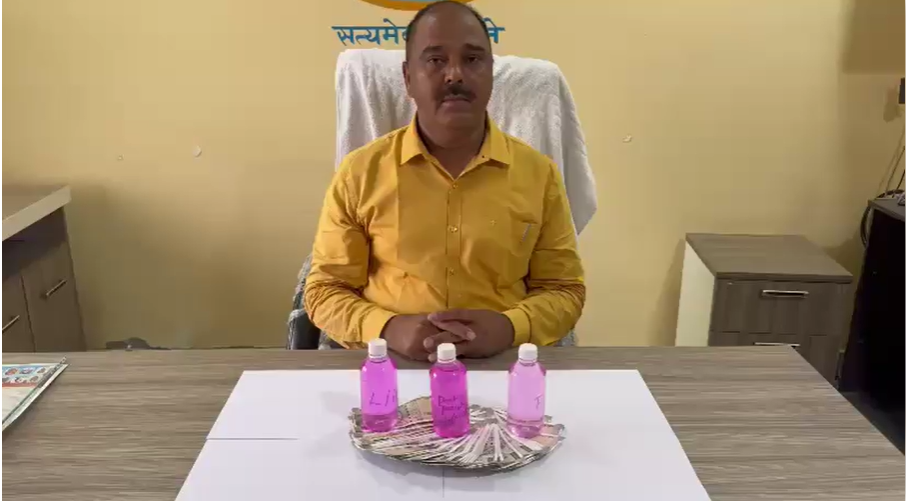
ACB Officials Trap RDO Ramachandra Naik While Accepting Bribe
Officials of the Anti-Corruption Bureau (ACB) trapped and caught RDO Ramachandra Naik while he was allegedly accepting a bribe in connection with issuing birth certificates in Narayanpet.
The case relates to a complaint filed by an applicant who had approached the revenue department for family birth certificates. The incident has drawn attention to delays and alleged irregularities in processing basic documents.
Application Pending Since July Last Year
According to details, the complainant had submitted an application in July last year at the Narayanpet Tahsildar office seeking issuance of birth certificates for family members.
The Tahsildar reportedly completed initial processing and forwarded the file to the RDO office for further action. However, the application remained pending at the RDO level.
Repeated Visits to RDO Office
Following the forwarding of the application, the applicant had been making repeated visits to the RDO office seeking completion of the process.
Despite multiple attempts, the certificates were not issued, forcing the applicant to continue approaching officials for resolution of the matter.
Bribe Demand for Five Birth Certificates
It is alleged that RDO Ramachandra Naik demanded a bribe of Rs. 25,000 to process and issue five birth certificates.
The demand reportedly came after prolonged delay in clearing the application. The applicant then approached the ACB and lodged a complaint regarding the demand.
ACB Lays Trap and Arrests Official
Based on the complaint, ACB officials laid a trap and conducted an operation. During the operation, RDO Ramachandra Naik was caught while allegedly accepting the bribe amount of Rs. 25,000.
The officials apprehended him at the time of the transaction as per the planned procedure. Further action in the case is expected to follow as per legal provisions.
Incidents involving alleged bribery in revenue offices have been reported in different regions, particularly in cases involving certificates and land-related documents.
The present case highlights the challenges faced by citizens in obtaining basic administrative documents and the role of vigilance agencies in addressing such complaints.