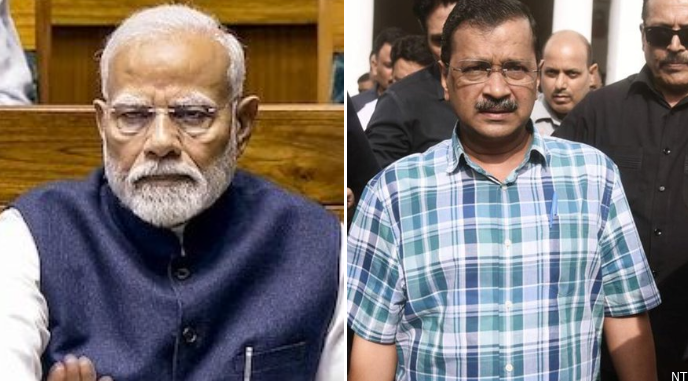
A Major Political Realignment in India's Upper House
In a significant political development, seven Members of Parliament (MPs) from the Aam Aadmi Party (AAP) are reportedly set to join the Bharatiya Janata Party (BJP), pending final approval from India's Vice President. This strategic maneuver is poised to substantially bolster the BJP's standing in the Rajya Sabha, the upper house of Parliament, and push the ruling National Democratic Alliance (NDA) closer to a formidable majority.
This development represents a major shift in the upper house's composition, potentially streamlining the legislative process for Prime Minister Narendra Modi's government and altering the dynamics of Indian politics for the foreseeable future.
The New Numbers: Analyzing the Impact on Rajya Sabha Strength
The core of this political shift lies in the numbers. Once the merger is officially approved, the arithmetic in the 245-member Rajya Sabha will change dramatically. This consolidation of power is a critical step for the ruling party's legislative ambitions.
Updated Party Standings:
- Bharatiya Janata Party (BJP): The party's individual tally will increase to 113 MPs.
- National Democratic Alliance (NDA): The BJP-led coalition's total strength will rise to 145 MPs.
https://x.com/NewsAlgebraIND/status/2048066465946038480?s=20
What This Means for the NDA's Legislative Agenda
The increase to 145 seats places the NDA in a much more comfortable position. More importantly, it moves the alliance significantly closer to the crucial two-thirds majority mark, which stands at 164 MPs. Achieving this 'supermajority' is a key objective for any ruling coalition, as it unlocks the power to pass constitutional amendments without needing support from the opposition.
With a stronger grip on the upper house, the government can more easily push through key bills and policy reforms that may have previously faced stiff resistance. This move effectively reduces the opposition's power to stall or block legislation, paving the way for a more aggressive implementation of the government's agenda.
The Procedural Path and Political Implications
The final step in this process is the approval from the Vice President of India, who also serves as the Chairman of the Rajya Sabha. The anti-defection law in India has specific provisions for mergers, typically requiring that at least two-thirds of a party's legislators agree to the move to make it valid. This high-profile shift suggests that this legal threshold is expected to be met.
For the Aam Aadmi Party, this represents a considerable setback, diminishing its presence and influence on the national stage. For the BJP, it is a strategic victory that not only weakens a rival but also fortifies its own legislative power, underscoring a period of significant political consolidation.